
Input device buying tips
Buying a keyboard or mouse, to most people, does not seem like an important consideration; however, there are several options to help relieve stress as well as to enhance the overall performance. Below is a listing of considerations to look at and think about before purchasing your next keyboard or mouse.
Keyboard considerations
Interface
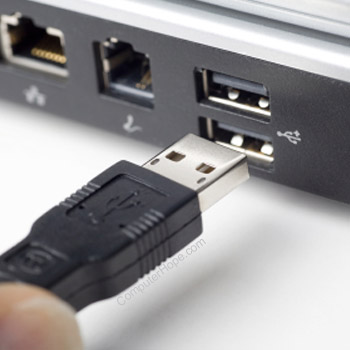
The interface is what connects the keyboard to your computer. If you purchase a keyboard with an interface the computer does not support it will not work. Today, the most commonly used and found interfaces are USB, Bluetooth (wireless), and PS/2. Older interfaces used with keyboards include: AT, infrared (wireless), and serial.
Extras
There are lot of extras that can be included with a computer keyboard, below is a listing of some of these extras with additional information about each of them. These extra features are not required but can be an additional bonus to look for if they are something that interests you.
Extra keys
Many keyboard manufacturers sell computer keyboards with additional keys or special keys. Sometimes these keyboards are referred to as "multimedia keyboards" because these extra buttons provide quick access to special features such as playing, skipping, and stopping audio on your computer. For these keys to work with your computer software must be installed, make sure this software is compatible with your operating system. For example, these keys may only work if you're running Microsoft Windows and not work if you're using an Apple Macintosh.
Backlight or Glow
There are several keyboard manufacturers today that sell keyboards that have backlight keys. These keyboards can be extremely helpful to users who need to look at the keyboard and are working in a dark environment.
Identification
Some computer keyboard manufacturers are including computer keyboards that have a fingerprint identification pad. These can be used to lock and unlock your computer or sensitive data on your computer using your fingerprint instead of a password.
Keyboard mouse
Some computer keyboards may include a touch pad on the keyboard. Although some users may think of redundant if they already have a mouse, these can be helpful for when you need to make a quick mouse movement and don't want to move your hand away from the keyboard or for users who are working in a confined space.
Style
Today, almost all US keyboards will be in the QWERTY layout because of its popularity and ease of use. However, when looking for a computer keyboard keep-in-mind the other style considerations.
Ergonomic
An ergonomic keyboard, or natural keyboard, is a style of keyboard that is more ergonomically designed. This is done by splitting the keys so that they lay in a more natural position and help ease prevent Carpal Tunnel Syndrome. For all users this will feel awkward at first but will soon become natural.
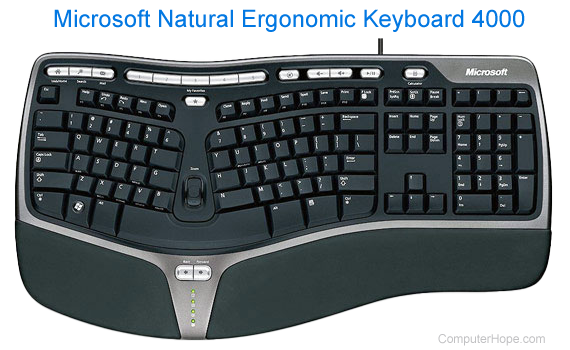
If you play games or plan on using your arrow keys a lot, verify that the arrow keys work for you. With the layout of some natural keyboards like that shown in the picture, the keys are in a non standard layout.
Wrist pad
Keyboard wrist pads or wrist rest are an additional comfort to help relieve strain on the wrists. It is important to note that this can also be more of a discomfort for many users and that your wrists should not be setting on a surface but instead up on the air while you are typing.
Dvorak
Dvorak is another keyboard layout sometimes used by computer professionals and individuals who want to improve the speed of their typing. Because of the wide use of the QWERTY keyboard, many users should consider using it instead of the DVORAK. However, the DVORAK does increase the speed of typing and is an excellent solution for users who may already use a QWERTY keyboard elsewhere.
Mouse considerations
Extras
Like the keyboard, a computer mouse can also have different options available. Below is a listing of some of the more common extras available with computer mice.
Buttons
Many mice today have at least two buttons; however, there are also available mice with 3, 4 or 5 buttons. While this may seem like too much, these buttons can be programmed to do commonly done tasks.
Color
There are several colors available for mice today. If you are looking for a particular color of mouse, ensure that it is considered when looking at purchasing a computer mouse.
Wheel
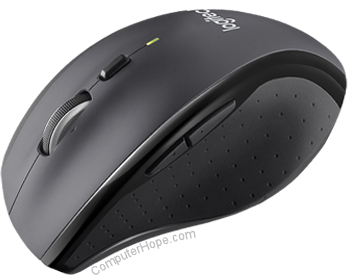
Now a commonly used and found item on a computer mouse. The mouse wheel allows users to scroll through pages without having to move the cursor to the scroll bar. This feature is very helpful and convenient and is highly recommended.
Software
Software is another important consideration when looking at a computer mouse. Many mice with additional extras, such as additional buttons or a wheel, will come with software. This software allows for the buttons to be programmed differently. An example is the Microsoft IntelliMouse Explorer mouse that has the two side buttons where your thumb lays. These buttons by default are used to go forward or backwards in a web browser. However, using the included software we have programmed these buttons to page up and page down.
Mouse Pad
When purchasing a computer mouse, if you do not already have a mouse pad, you may want to consider a new mouse pad. There are literally millions of available options for mouse pads. If you are purchasing a mouse pad that has a special feature, such as a wrist pad, ensure to try the mouse pad before actually purchasing it as it may be more of a discomfort for you to use.
It is also important to note that there are options to have pictures or text printed or scanned onto the mouse pad. This can make an excellent gift as well as a great way to have pictures on the desk of your children, family, pets, or other pictures.
Interface
The interface can be an important consideration for any users who may be running short on available connections on their computer. Below is a listing of available interfaces for a computer mouse.
Infrared
Infrared interface is used with wireless mice. This allows users to have a clean looking desk or be able to move the mouse anywhere. Many infrared mice have an adapter that is used that connects to the PS/2 port (also available as USB) and that is used to accept the wireless keyboard data.
One important consideration to think about before purchasing an infrared mouse is the batteries. Like an infrared remote found with almost every TV today, an infrared mouse also requires batteries to send information to the infrared receiver. Look at the battery the mouse uses as well as the average length of battery time in the mouse.
PS/2
PS/2 is one of the most commonly found interfaces on IBM Computers today. It is recommended that if this port is available it be used. Users with USB options may also consider using a USB mouse as opposed to a PS/2 mouse.
Serial
Serial is a common alternate to the PS/2 port for computer mice. If your PS/2 port is not available and there is not a USB option available on the computer, consider purchasing a serial mouse.
USB
USB is becoming a popular solution for users who have or are building a new computer.
One possible issue with USB mice is that users who want to have their mouse working in MS-DOS must have USB mouse drivers and USB drivers loaded.
Type
The mouse type can be an important consideration when looking at a computer mouse. The majority of mice today are Optical Mechanical mice, which use a ball and rollers to control the movement of the mouse. This is a great solution; however, they can be not as precise as other solutions. A new technology that has become widely available is the optical mouse. These mice use a light to control the movement of the mouse and are an excellent solution for a mouse.
One issue we have received complaints about with the widely available optical mouse from Microsoft is that if a hair gets into the 'eye,' the mouse becomes erratic and can cause frustration when playing a network game. However, it is important to note that this mouse requires no cleaning that is a great feature when compared to the optical mechanical mouse that requires cleaning every few months.